Why Professional Video Costs What It Costs, And What You're Actually Paying For
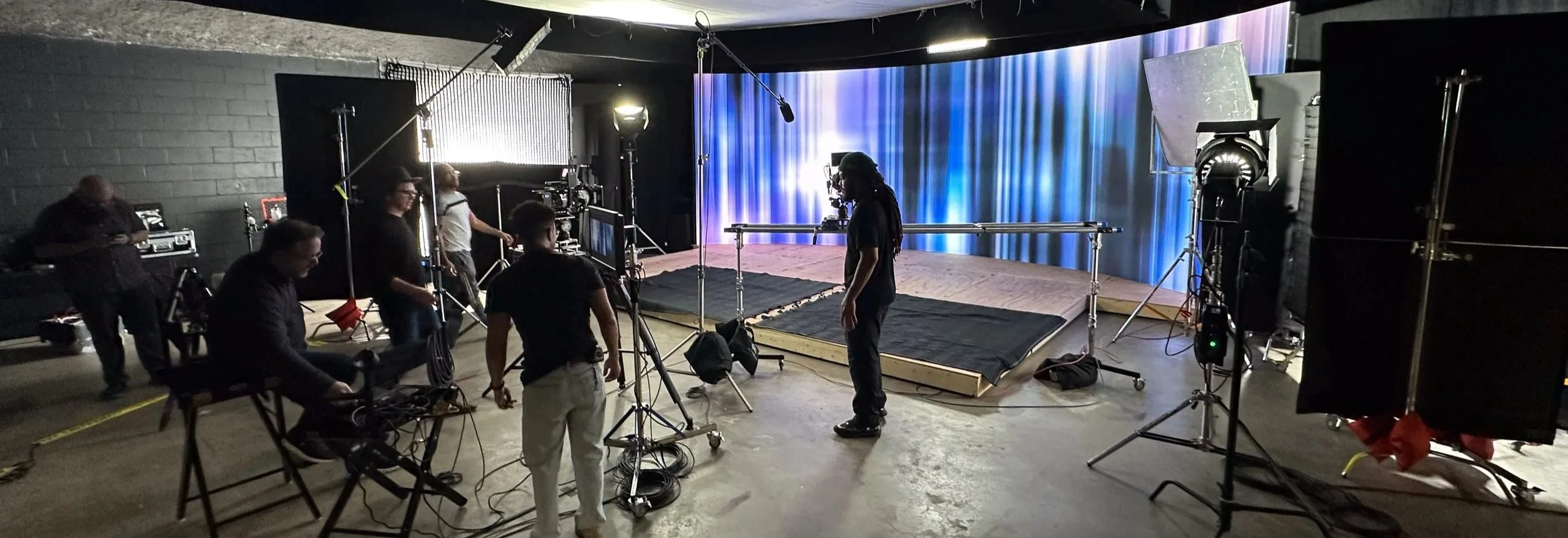
If you've ever reached out to get quotes on a video project, you've probably experienced the same whiplash most business owners do: one vendor comes in at $500, another at $15,000, and you're left wondering what in the world justifies that kind of gap.
The short answer? You're not just paying for a shoot day. You're paying for every hour of work that happens before and after the camera rolls — and in most professional productions, that's where most of the value actually lives.
Here's a breakdown of what's really inside a professional video production quote.
Pre-Production: The Work You'll Never See

Pre-production is everything that happens before a single frame is captured — and it's often the most undervalued phase of the entire process.
Before a project is even approved, a serious production company is already investing time in it. Once you say yes, that investment deepens. A producer is meeting with you to understand your business goals, mapping out a creative strategy, writing a shot list, scouting locations, scheduling talent, and thinking through the entire arc of the video — all so that when the cameras finally go up, every minute on set is working toward a specific outcome.
This phase is what separates a video that's strategic from one that just looks like a video. Skip it, and you'll likely end up with footage that's visually fine but doesn't actually do anything for your business.
Production: Why One Day Can Cost What It Costs
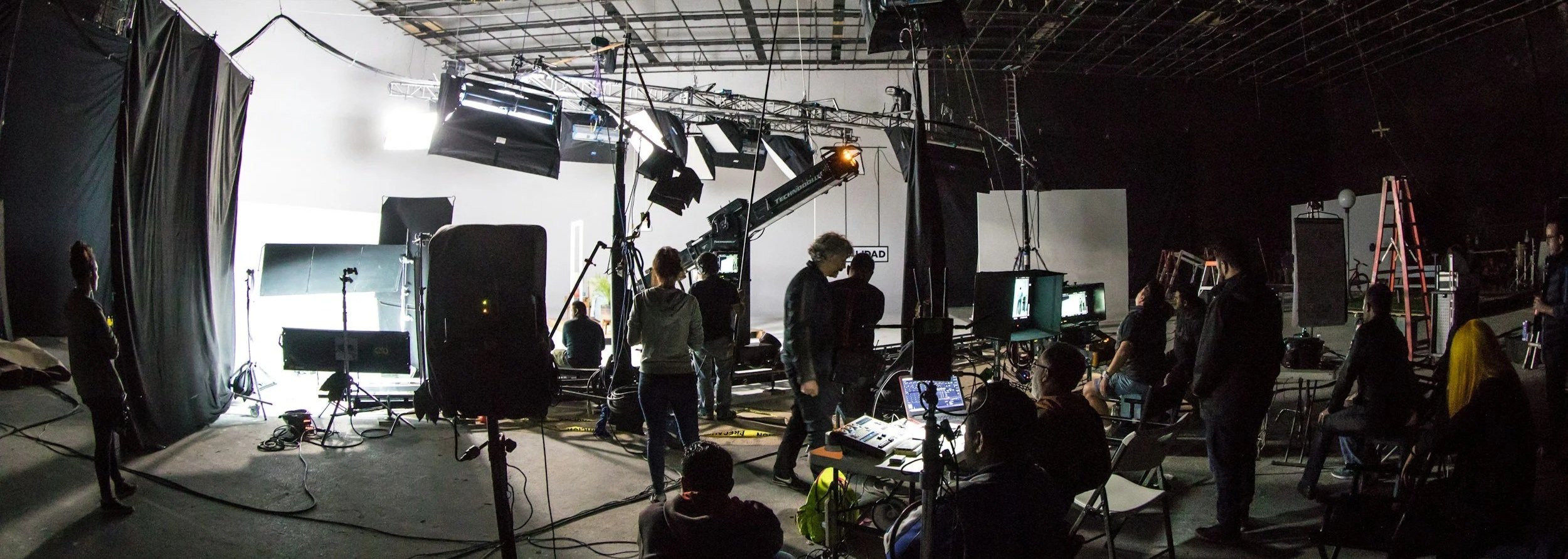
When most people think about video production costs, they picture the shoot day. And sure — that's the most visible part. But a shoot day is rarely just a person showing up with a camera.
Here's a practical example: say you're shooting in a single building, but you have eight to ten distinct spaces to film. Each one of those areas needs to be lit properly, staged, and set up to look its best on camera. That means adjusting and repositioning lighting rigs, swapping lenses, managing batteries and memory cards, working with on-camera talent, and keeping everything moving on schedule.
The more complex the production, the more hands it takes. Having dedicated people for lighting, camera, and talent management isn't a luxury — it's how you get quality and efficiency. A well-crewed production moves faster and captures better content than a single operator stretched across every job on set.
And then there's the equipment. Cinema-grade cameras, professional lenses, matte boxes, lighting packages — a serious production kit runs anywhere from $50,000 to well over $100,000. That investment doesn't disappear when the project wraps. It's baked into every quote you receive from a production company that's serious about their craft.
Post-Production: Where the Story Gets Told

Post-production is where most of the project's time actually lives — and most clients never see it.
Once the footage is captured, an editor is working through hours of material to find the best takes, build the best sequence, and create a finished piece that flows the way a story should. That includes designing and animating any lower thirds or intro graphics, selecting music that fits the tone, hitting the right pacing, calibrating color, and exporting the final file in the right format for wherever it's going to live.
A polished two-minute brand film might represent 20 to 40 hours of post-production work. When you're looking at a quote and wondering where the money goes — a significant chunk of it is right here.
What You're Really Paying For
Beyond the three phases of production, there are layers of overhead that go into running a legitimate production company — insurance, equipment maintenance, software subscriptions, business administration, and years of accumulated skill.
Learning to light a scene effectively, direct talent naturally, tell a story through a lens, and manage a production from first call to final delivery — that's not something that happens overnight. It's the product of years on professional sets, working under pressure with real stakes.
When you hire a professional video production company, you're not paying for one day. You're paying for a system — the pre-production strategy, the production execution, the post-production craft, and the experience that ties it all together.
The businesses that understand this tend to get the most out of their investment. The ones who shop only on price often end up with something that looks cheap — and in business, your video says something about your brand before you ever say a word.